No Pain No Gain SVG: An Embroidery Design Review
First Impressions: Translating a Cutting File for Needle and Thread
As a professional designer who regularly bridges the gap between digital graphics and tangible textiles, I approach every new asset with a critical eye. When evaluating the No Pain No Gain Svg, my first thought is not just about the visual aesthetic, but about its structural integrity when converted into stitches. This design is marketed as an instant download cutting file compatible with machines like Cricut and Silhouette, which immediately tells me we are working with clean vector lines. For embroidery designers and small business owners, this is actually excellent news. Vector-based graphics typically digitize far better than raster images because the nodes are precise, making it easier to assign stitch types like satin or fill without losing detail.
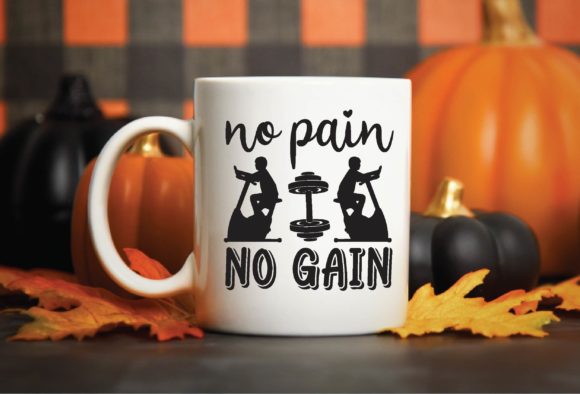
The phrase itself carries a specific mood: determination, resilience, and motivation. Visually, this suggests bold typography rather than delicate script. In my experience reviewing graphics for craft businesses, motivational quotes perform best when the lettering has enough weight to support thread density. If the No Pain No Gain Svg features thick, blocky letters, it is a prime candidate for a sturdy satin stitch border or a dense fill stitch. However, if the original graphic uses distressed or grunge textures common in vinyl cutting files, we must be careful. Those intentional gaps look great on adhesive vinyl but can cause registration issues or jump stitch nightmares in machine embroidery. Before loading this into your digitizing software, inspect the anchor points to ensure the design translates from a flat graphic to a textured, dimensional embroidered patch or apparel accent.
Real-World Application: Stitching Out a Gym Tote Bag
To truly understand the commercial viability of this design, I mentally placed it onto a real project: a heavy-duty canvas tote bag intended for gym-goers. This is a classic use case where the "No Pain No Gain" sentiment resonates authentically with the end user. Canvas provides a stable foundation, but its coarse weave demands respect. When adapting this SVG for a tote bag design, I would avoid tiny running stitch details that might get lost in the fabric texture. Instead, I would utilize the bold shapes of the SVG to create defined columns of stitching.
For a handmade product like this, customer trust relies on durability. A gym bag gets thrown around, washed frequently, and exposed to friction. If I were selling this finished product in my Etsy shop, I would test the stitch density rigorously. The No Pain No Gain Svg needs to be dense enough to cover the canvas completely without becoming bulletproof. Overly dense areas on a tote bag can cause puckering or even needle breakage. I found that balancing fill stitches with strategic negative space not only saves thread but also maintains the flexibility of the bag. This practical adjustment turns a simple digital graphic into a high-value custom apparel accessory that feels professional rather than stiff and homemade.
Navigating Fabric Variables and Hoop Limitations
While the versatility of this design is appealing for men, women, and kids, the substrate dictates the success of the embroidery project. The product description mentions uses for baby items and birth announcements, which requires extreme caution. Baby clothes are typically made of stretchy knits or delicate cottons. A bold, dense design derived from a cutting file can easily distort these fabrics. If you plan to use this for baby embroidery, you must pair the design with high-quality cut-away stabilizer and potentially a water-soluble topping to prevent the stitches from sinking into the pile.
Furthermore, consider your hoop size constraints. Motivational quotes often have horizontal layouts. If you are working with a standard 4x4 hoop, you may need to resize or reformat the No Pain No Gain Svg significantly. Reducing a complex graphic too much results in illegible text and overlapping stitches. For smaller hoops, I recommend isolating key elements or stacking the text vertically. Conversely, for larger items like sweatshirt embroidery or pillow covers, you have the luxury of scale. Larger formats allow for more intricate detailing within the letters, such as gradient fills or decorative accents, which elevates the perceived value of the merchandise. Always verify the dimensions against your specific machine’s capabilities before committing to a production run.
Critical Designer Notes for Commercial Success
Transitioning from a hobbyist to a commercial embroidery business owner means treating every design asset as a potential liability or profit center. Here are my practical recommendations for using this file safely and effectively:
- Verify Licensing Terms: Just because a file is an instant download does not guarantee commercial rights for embroidered goods. Check if the license permits selling finished physical products versus digital embroidery files. Protect your craft business by confirming usage rights upfront.
- Test on Scrap Fabric First: Never stitch directly onto a sellable garment without a test run. Use a scrap piece of similar weight and texture to check for registration errors, thread tension issues, or stabilizer inadequacies.
- Contrast is Key: Test the design in both black and white mockups. A design that pops on white cotton might disappear on a navy sweatshirt. Ensure your thread colors provide sufficient contrast against various background fabrics to maintain readability.
- Inspect Small Details: Since this originates as a cutting file, look for sharp internal corners. Digitizing software sometimes struggles with acute angles, creating bulky thread buildup. Smooth out these nodes manually to ensure a clean satin stitch edge.
- Stabilizer Selection: Match your stabilizer to the fabric, not just the design. Tear-away works for stable woven fabrics, while knit apparel and baby items almost always require cut-away support to prevent distortion over time.
Elevating Brand Consistency and Product Value
Ultimately, the No Pain No Gain Svg is more than just a collection of vectors; it is a communication tool. For Etsy sellers and boutique owners, consistency in design style builds brand recognition. If your shop focuses on fitness gear or motivational decor, this design fits a specific niche that attracts a targeted audience. However, the execution determines whether a browser becomes a buyer. A poorly digitized version of this graphic will result in returns and negative reviews, while a professionally adapted version reinforces your reputation for quality.
When creating printable mockups for your listings, show the design in context. Don't just display the flat digital file. Show it stitched on a textured towel, a curved cap, or a layered outfit. This helps customers visualize the finished product and understand the tactile nature of embroidery compared to print. Remember that while this asset serves as a fantastic starting point for graphics and crafts, your expertise in selecting the right thread colors, stabilizers, and placement is what transforms a simple SVG into a cherished personalized gift or a best-selling commercial product. Approach the digitizing process with patience and precision, and this design can become a reliable staple in your creative inventory.