Grateful Thankful Blessed SVG: An Embroidery Review
As a designer who spends more time behind an embroidery machine than a computer screen, I approach every new digital asset with a healthy dose of skepticism. When I first opened the Grateful Thankful Blessed SVG, I wasn't just looking at a graphic; I was mentally converting vectors into stitches. This design carries a sentiment that resonates deeply in the handmade community, but as any experienced maker knows, a beautiful concept on screen does not always translate to a clean stitch-out on fabric. My evaluation focuses entirely on how this file performs when moved from the digital realm to real-world textiles, specifically for those of us running craft businesses or creating meaningful personalized gifts.
First Impressions and Emotional Resonance
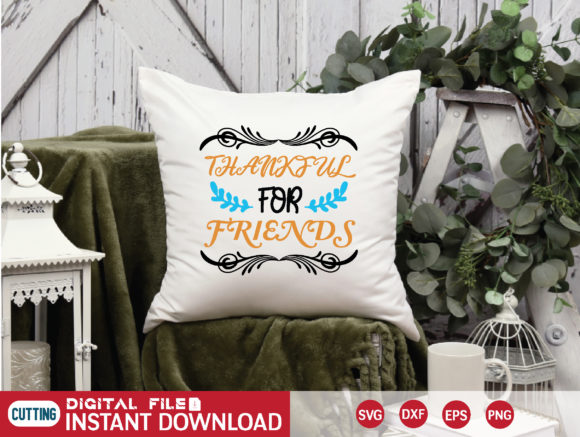
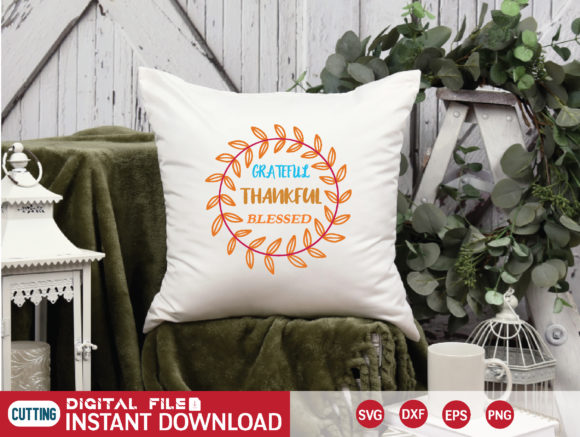
The immediate mood of the Grateful Thankful Blessed SVG is warm, grounded, and universally appealing. In the Graphics category, typography-driven designs often risk feeling sterile, but this layout possesses a hand-lettered quality that suggests movement and humanity. For an embroidery project, this is crucial. Stiff, blocky fonts can look industrial on a baby blanket or nursery pillow, whereas this design’s organic flow invites softer thread choices and more intimate placement. Visually, it strikes a balance between modern farmhouse aesthetics and timeless gratitude, making it versatile enough for both trendy Etsy listings and heirloom-quality family gifts.
From a digitizing perspective, the letter spacing appears generous enough to accommodate satin stitch columns without causing fabric puckering, provided the hoop size is appropriate. The hierarchy of the words guides the eye naturally, which is essential when scaling the design down for smaller items like bibs or up for larger tote bag designs. It feels less like a rigid template and more like a thoughtful composition ready for needle and thread.
Real-World Application: The Custom Sweatshirt Test
To truly evaluate this asset, I applied it to a scenario familiar to many small shop owners: creating a custom apparel piece for the holiday season. I selected a mid-weight cotton fleece sweatshirt, a staple in commercial embroidery and boutique branding. The goal was to produce a finished product that looked professional yet cozy, avoiding the "sticker sheet" appearance that plagues poorly planned machine embroidery designs.
Using the Grateful Thankful Blessed SVG as my base, I focused on center-chest placement. On fleece, texture is the enemy of detail. Because this design relies on clear legibility rather than intricate shading, it performed admirably. I opted for a matte polyester thread in a warm cream tone against a sage green garment. The contrast was soft but readable. During the stitch-out, the design’s open areas allowed the fabric texture to breathe, preventing the stiff, bulletproof patch effect that ruins the drape of a sweatshirt. For fellow Etsy sellers, this specific application highlights the design's strength: it adds perceived value to basic blanks without overwhelming the garment's function.
Versatility Across Substrates and Projects
Beyond apparel, this digital embroidery file shows promise across various categories within Crafts. Its adaptability is its strongest selling point for creative entrepreneurs managing diverse inventory.
- Tote Bag Design: Canvas totes are unforgiving with dense stitching. This design’s likely use of fill stitch or lighter satin elements makes it ideal for unlined canvas, reducing needle breakage and production time.
- Baby Embroidery: For onesies and burp cloths, the sentiment is perfect. However, because baby skin is sensitive, the back of the embroidery must be smooth. The design’s structure allows for easy topping and stabilizer management to ensure no scratchy jump stitches remain exposed.
- Kitchen Textiles: Tea towels and aprons require high washability. The bold nature of "Grateful Thankful Blessed" ensures the message remains legible even after repeated laundering, unlike finer script fonts that can degrade over time.
- Holiday Embroidery: While inherently seasonal, the wording avoids specific holidays, extending the shelf life of your merchandise from early autumn through New Year’s.
Critical Considerations for Stitch Quality
No review is honest without addressing limitations. While the Grateful Thankful Blessed SVG is robust, certain applications require caution. If you are working with stretchy knits or performance fabrics, the design’s horizontal span could cause distortion if not properly stabilized. I strongly recommend testing on scrap fabric identical to your final project before committing to a customer order.
Be wary of using this on highly textured fabrics like terry cloth or minky without adequate stabilization and topping. The negative space in the lettering can get lost in the pile, making the text difficult to read. Additionally, while the description notes compatibility with cutting software like Cricut and Silhouette, remember that vector graphics for vinyl cutting differ significantly from machine embroidery files. Always verify you have the correct embroidery format (PES, DST, JEF, etc.) and check the specific hoop size requirements before purchasing. Do not assume a scalable SVG will automatically digitize cleanly at extreme sizes without adjusting stitch density and underlay.
For cap embroidery, the curved surface presents challenges for wide, horizontal text. Unless the design has been specifically digitized for caps with proper pull compensation, you may experience registration issues at the edges. In such cases, consider using this design for flat brim patches instead of direct hat embroidery to maintain professional standards.
Enhancing Product Value and Brand Trust
In the competitive landscape of handmade products and personalized gifts, presentation dictates price. A clean, well-executed stitch-out of Grateful Thankful Blessed SVG signals competence to buyers. When customers see crisp edges, balanced tension, and appropriate scale, they trust the maker. This design supports that trust by offering a layout that naturally aligns with current market trends without looking generic.
For digital product sellers offering printable mockups or design assets, this graphic serves as an excellent portfolio piece. Its universal theme allows potential clients to visualize it on various backgrounds, aiding in conversion. However, always confirm licensing terms regarding commercial embroidery. Ensuring you have the right to sell finished products protects your business and respects the original artist, fostering a sustainable ecosystem for all creative entrepreneurs.
Practical Designer Notes for Success
Before loading this design into your machine, run through this practical checklist to ensure your embroidery project meets professional standards:
- Verify File Integrity: Confirm the embroidery file matches your machine’s native format and that the dimensions fit your available hoop size without excessive resizing.
- Test Stitch Density: Run a sample on scrap fabric. If the fabric cups or tunnels, reduce density or add cutaway stabilizer. If stitches sink into plush fabric, increase density or use water-soluble topping.
- Thread Color Strategy: Test in black and white first to check contrast. Remember that thread sheen changes perception; what looks good in matte software might disappear in rayon sheen on dark fabric.
- Stabilizer Selection: Match stabilizer weight to fabric weight. Lightweight knits need cutaway; woven cottons may suffice with tear-away. Never skip stabilizer on stretch fabrics.
- Licensing Check: Re-read the license specifically for commercial embroidery use. Some licenses cover personal crafting but restrict selling finished goods or digital derivatives.
- Mockup Validation: Create physical or digital mockups showing the design at actual size. Customers often underestimate scale; accurate previews prevent returns and disappointment.
Ultimately, the Grateful Thankful Blessed SVG is more than just a seasonal graphic; it is a functional tool for makers who understand that successful embroidery lies in the intersection of art and engineering. By respecting the technical requirements of stitch formation and choosing substrates wisely, this design can become a reliable bestseller in your collection, bringing warmth and professionalism to every finished product you create.