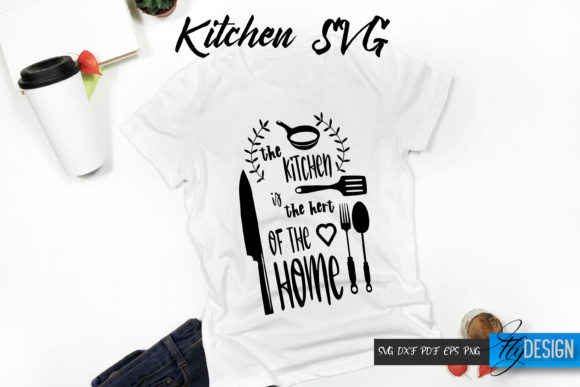
Kitchen Quote SVG: T-Shirt Design V1 Review
As a designer who bridges the gap between digital graphics and tangible textiles, I approach every new file with a specific question: will this actually work when the needle hits the fabric? When evaluating Kitchen Quote SVG. T Shirt Design V1, my perspective shifts from purely aesthetic to deeply structural. While this asset is marketed primarily for vinyl cutting and sublimation, its potential as a foundation for embroidery projects is significant, provided you understand how to translate vector lines into thread paths. For fellow Etsy sellers, apparel decorators, and makers, understanding this distinction is what separates a professional finished product from a DIY attempt that unravels after one wash.
First Impressions and Visual Personality
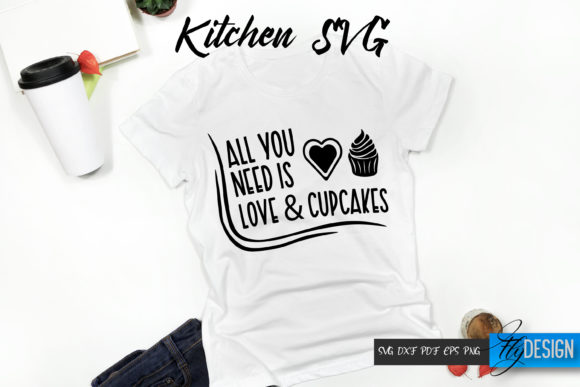
Upon opening Kitchen Quote SVG. T Shirt Design V1, the immediate impression is one of clean, readable typography suited for domestic warmth. In the realm of Crafts and Graphics, kitchen quotes often suffer from being overly ornate or illegible at small sizes. This design avoids that trap. The layout feels balanced, suggesting it was created with negative space in mind. For an embroidery designer, this is crucial. Negative space isn't just empty background; it is where your stabilizer does its job and where the fabric texture can breathe.
The mood strikes a practical yet sentimental chord, making it ideal for items that see daily use rather than just decorative wall hangings. It doesn't scream "trendy"; it whispers "home." This visual personality suggests it belongs on functional goods like tea towels, aprons, or casual sweatshirts rather than formal wear. As a digital embroidery file source, the vectors appear crisp, which usually translates well when converting to stitch files, assuming you adjust for pull compensation during digitizing.
Real-World Application: The Custom Apron Test
To truly judge this design, I mentally placed it onto a real project: a custom embroidered apron for a boutique bakery client. Aprons are tricky because they combine heavy canvas or denim with high-wear requirements. Using Kitchen Quote SVG. T Shirt Design V1 in this scenario requires strategic thinking. If I were stitching this, I would avoid a dense fill stitch for the entire quote. Instead, I’d utilize a combination of running stitch for lighter elements and satin stitch for key focal words to reduce bulk.
In this real-life case, customer reaction hinges on durability. A bakery apron gets washed frequently. If the design is too dense, the fabric puckers; if it’s too loose, threads snag on kitchen equipment. This SVG provides the perfect roadmap for a hybrid approach. I could also see this working beautifully as a tote bag design for farmers' markets. The legibility ensures that even from a distance, the message is clear, which boosts brand recognition for small shop products. For those creating personalized gifts, such as a wedding gift for a couple who loves to cook, this design offers enough neutrality to be universally liked while still feeling handmade and thoughtful.
Navigating Fabric Limitations and Hoop Sizes
While Kitchen Quote SVG. T Shirt Design V1 is versatile, it demands respect for material constraints. Not every surface is friendly to text-based embroidery. Here is where practical judgment matters most:
- Stretchy Fabrics: If applying this to a t-shirt or baby clothes, you must account for stretch. Knits distort easily. You cannot simply stitch this design without adequate cut-away stabilizer and potentially a topping to prevent stitches from sinking into the weave.
- Textured Surfaces: On linen tea towels or waffle-weave fabrics, fine details in the quote may get lost. You may need to increase stitch density or add an underlay to create a smooth platform for the top thread.
- Curved Areas: Be cautious using this on caps or curved sleeves unless you have digitized specifically for curves. Flat SVGs do not automatically compensate for the distortion that occurs when wrapping around a hat brim.
- Small Hoop Sizes: If you are limited to a 4x4 hoop, verify the aspect ratio. Resizing a quote design disproportionately can ruin letter spacing. Always check dimensions before committing to a stitch-out.
For dark fabrics, remember that this is originally an SVG. You aren't printing ink; you are laying thread. Ensure your thread colors contrast sufficiently against the garment. A white quote on a cream towel looks elegant digitally but disappears physically. Always test contrast in natural lighting, not just on your monitor.
Impact on Product Value and Buyer Trust
How we execute Kitchen Quote SVG. T Shirt Design V1 directly influences perceived value. In the competitive landscape of commercial embroidery and Etsy listings, customers are savvy. They can spot poor registration, excessive jump stitches, and inadequate stabilization in product photos. When this design is executed correctly—with clean edges, appropriate density, and proper placement—it elevates the item from "craft" to "boutique merchandise."
Consistency is key for brand trust. If you sell a line of kitchen textiles, using this design across aprons, mitts, and towels creates a cohesive collection. However, consistency means identical placement and thread colors, not just the same graphic. Professionalism shows in the details. Furthermore, for digital product sellers offering printable mockups, ensure your mockup accurately represents how the embroidery will actually look. Misleading customers with flat vector previews for stitched products leads to returns and negative reviews. Transparency about the production method builds long-term buyer engagement.
Essential Notes for the Embroidery Professional
Before you load Kitchen Quote SVG. T Shirt Design V1 into your software or machine, run through this practical checklist. These steps save time, thread, and frustration:
- Verify Licensing: Just because it is an SVG does not mean it includes commercial embroidery rights. Confirm you are licensed to sell finished physical products or modified digital embroidery files.
- Test Stitch-Out: Never skip this step. Use scrap fabric that matches your final project's weight and weave. Check for puckering and legibility.
- Check File Compatibility: Ensure the SVG converts cleanly to your machine’s format (PES, DST, JEF, etc.). Sometimes auto-digitizing features miss internal cutouts in letters like 'O' or 'A'.
- Evaluate Stabilizer Needs: Match stabilizer to fabric, not design. Heavy canvas needs different support than jersey knit. Do not rely on tear-away for stretchy garments.
- Mockup Testing: Create black and white mockups to check value contrast. If the design relies solely on color differentiation, it may fail in monochrome embroidery.
- Wash Test: For items like baby embroidery or kitchen linens, wash and dry the test sample aggressively. If threads pop or fabric warps, adjust your density or underlay before selling.
Ultimately, Kitchen Quote SVG. T Shirt Design V1 is a strong candidate for both personal creative expression and commercial application. Its success lies not in the file itself, but in the maker's ability to interpret it for the medium of thread. Whether you are crafting a holiday gift, stocking your shop with custom apparel, or designing an embroidered patch, treat this graphic as a blueprint rather than a final destination. Respect the physics of embroidery, honor the limitations of your materials, and the result will be a product that resonates with quality and care. Always remember to check specific file attributes and license terms provided by the creator, as these dictate the legal and technical boundaries of your project.